Today, we are taking you on a journey to one of the most universally admired masterpieces of the world’s heritage: the magnificent Taj Mahal.
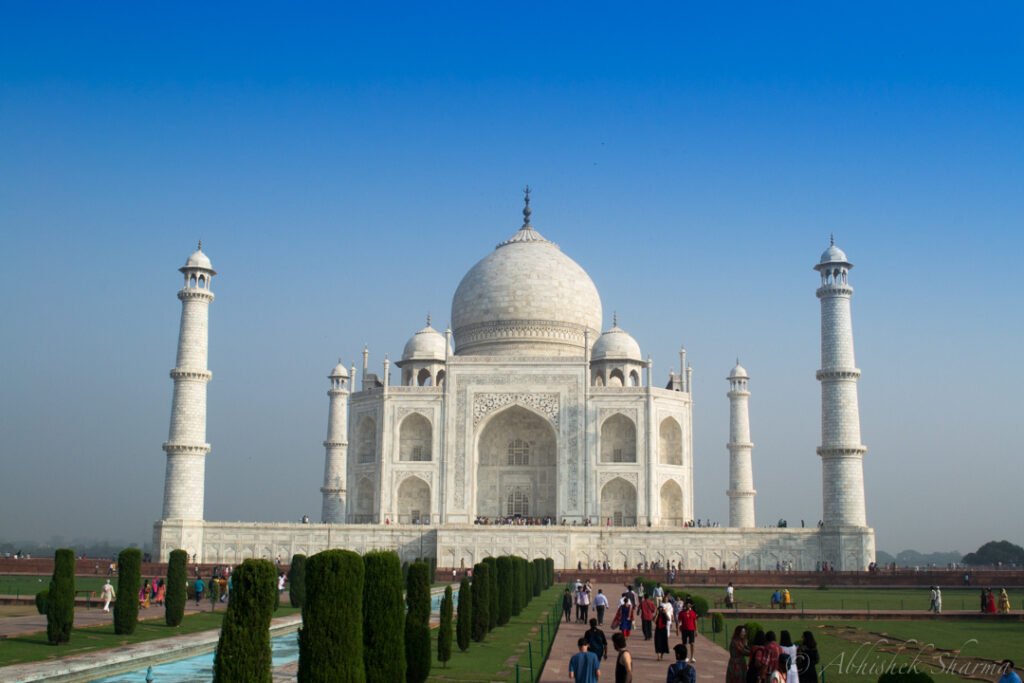
A symbol of eternal love, an architectural marvel, and one of the Seven Wonders of the World, the Taj Mahal needs no introduction. Whether you are a history buff, a romantic at heart, or an avid traveler, this ivory-white marble mausoleum on the right bank of the river Yamuna in Agra will leave you spellbound.
Here is your complete guide to exploring the Taj Mahal, including its rich history, mind-bending facts, how to get there from Delhi, and what else to see while you’re in Agra!
The Epic Love Story & History of the Taj Mahal
The story of the Taj Mahal is as captivating as the structure itself. It was commissioned in 1632 by the Mughal Emperor Shah Jahan to house the tomb of his favorite wife, Mumtaz Mahal, who tragically died while giving birth to their 14th child.
Grief-stricken, Shah Jahan poured his heart, soul, and imperial treasury into creating a monument that would reflect the beauty of his beloved. It took approximately 20,000 artisans, craftsmen, and laborers from across India, Persia, the Ottoman Empire, and Europe over 20 years to complete this masterpiece.
The principal architect was Ustad Ahmad Lahori. The complex was fully finished around 1653. Built entirely of white marble brought from Makrana in Rajasthan, the Taj Mahal perfectly blends Indian, Persian, and Islamic architectural styles. Sadly, shortly after its completion, Shah Jahan was overthrown by his son, Aurangzeb, and imprisoned in the nearby Agra Fort—where he spent the rest of his days gazing out the window at his wife’s glorious resting place.
Amazing Facts You Probably Didn’t Know
A Chameleon of Marble: The Taj Mahal changes color depending on the time of day! It appears soft pink at dawn, dazzling white at noon, and a shimmering gold under the moonlight.
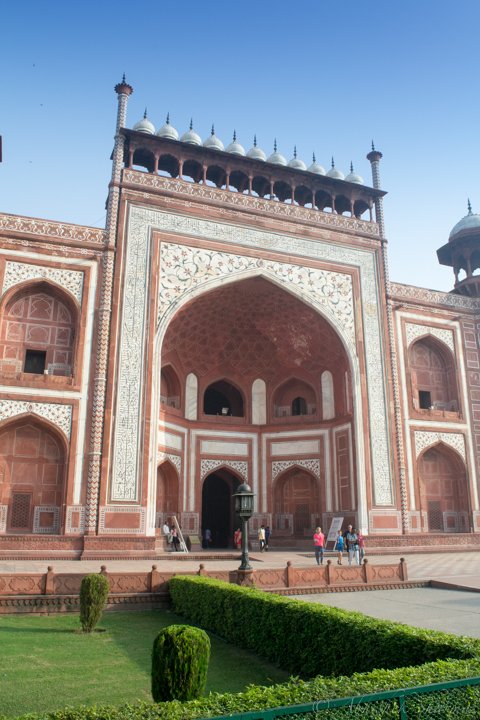
The Illusion of Size: As you approach the main gate, the Taj Mahal looks incredibly large. But as you walk closer, it seemingly shrinks in size. It’s a brilliant optical illusion crafted by the architects.
Earthquake-Proof Minarets: Look closely at the four minarets surrounding the main dome. They are not perfectly straight; they lean slightly outward. This was done on purpose so that in the event of a massive earthquake, the pillars would fall away from the main tomb rather than crashing into it.
The Fake Tombs: The glorious cenotaphs of Shah Jahan and Mumtaz Mahal that visitors see in the main chamber are actually empty. The real sarcophagi lie in a quiet, unadorned room at the garden level, out of public view.
Precious Stones: The intricate floral designs on the marble are not painted. They are made using a technique called Pietra Dura, where semi-precious stones like lapis lazuli, jade, crystal, and turquoise were meticulously carved and inlaid into the marble.
How to Reach Agra from Delhi
Agra is roughly 230 km from New Delhi. As part of India’s famous “Golden Triangle,” it is incredibly well-connected. Here are all your transport options:
1. By Train (The Fastest & Most Recommended Route) Taking a train is the most convenient and fastest way to travel from Delhi to Agra.
- Gatimaan Express: The fastest train, taking just 1 hour and 40 minutes from Hazrat Nizamuddin Station to Agra Cantt.
- Vande Bharat Express: A modern, semi-high-speed train that offers a premium, comfortable ride.
- Bhopal Shatabdi Express: A classic, reliable morning train departing from New Delhi Railway Station (NDLS).
2. By Road (Car/Taxi) If you love road trips, this is for you! The Yamuna Expressway connects Delhi to Agra via a wide, beautifully maintained toll road.
- Time: 3 to 4 hours depending on Delhi traffic.
- Tip: You can hire a private cab for a day trip, or drive yourself. The expressway has great rest stops with food courts and clean restrooms.
3. By Bus Budget-friendly and comfortable AC Volvo buses run frequently between Delhi (from ISBT Kashmiri Gate or Anand Vihar) and Agra. The journey takes about 4 to 5 hours via the Expressway.
4. By Air While Agra does have an airport (Pandit Deen Dayal Upadhyay Airport), commercial flights from Delhi are very rare and impractical. The flight duration is short, but airport transit times make it much longer than just taking the train or driving.
Best Time to Visit
Best Months: October to March is the ideal time. The weather is pleasant and cool, perfect for walking around the massive complex.
Best Time of Day: Sunrise. Not only is the lighting magical (offering that famous pinkish glow), but you will also beat the massive crowds and the midday heat.
Note: The Taj Mahal is strictly CLOSED on Fridays for general viewing, as it is open only for locals attending afternoon prayers.
Other Popular Attractions in Agra
Don’t just see the Taj and leave! Agra is packed with historical wonders:
Fatehpur Sikri: Located about an hour’s drive from Agra, this abandoned red-sandstone city was briefly the capital of the Mughal Empire under Emperor Akbar. It is a stunning architectural ghost town.
Agra Fort: A massive UNESCO World Heritage site made of red sandstone. This was the main residence of the emperors of the Mughal Dynasty until 1638.
Itimad-ud-Daulah (The Baby Taj): Often regarded as a draft of the Taj Mahal, this exquisite tomb is made of white marble and features incredible inlay work. It’s less crowded and absolutely stunning.
Mehtab Bagh (Moonlight Garden): Located just across the Yamuna River, this park offers the ultimate sunset view of the Taj Mahal in perfect symmetry without the bustling crowds.
Planning for an India trip?